


Sports has always been a mirror of society’s values, technical skills and cultural change. As the mid-2020s approaches, the sporting landscape is exposed to one of the deepest changes in history. From redesigning training methods for artificial intelligence to democratizing athlete platforms, the world of sports today is developing at an unprecedented pace.
Technological revolution in training and performance
The gap between amateur and professional athletes was less obvious than when accessing modern technology. For the first time, the Elite Sports program uses a massive, unimaginable data analysis system.
“We collect data points of over 2 million athletes per season,” explains Dr. Vanessa Rodriguez, Head of Performance Analytics at the Institute of Global Sports. “From sleep quality to microscopic muscle fibers – recovery rates are quantified, allowing you to optimize your training scheme with remarkable accuracy.”
Wearable technology has been developed beyond simple fitness trackers and includes an advanced biometric monitoring system. The latest generation of smart compression items can recognize small changes in athletes, muscle activation patterns, and even real-time. So the trainer can quickly adjust before recording to prevent injuries.
Perhaps innovative is the integration of virtual training environments from AI. Basketball players currently employ thousands of virtual free throws against simulated pressure situations, but quarterbacks are exposed to countless defensive scenarios without physical wear. This mental training component is worth as high as physical preparation.
The economic change of sports
The traditional economic model of sports – primarily for rounded ticket sales and goods – is a radical transformation. The streaming platform fragmented its audience and opened up new revenue channels at the same time.
“The average sports fan currently works with content on seven different platforms,” says media analyst Jamal Washington. “This has created both the challenges and opportunities for the league and team to monetize their products.”
Athlete Empowerment has reached new heights due to the spread of its direct platform. Top performers no longer build personal brands by relying exclusively on team and league structures. Photography and similarity (Nile) reform (Nile) college athlete, name, currently worth six figures of income.
It was also important that rise from alternative sports leagues that questioned established institutions. With fan-owned teams, cryptocurrency and hybrid competitive formats, tournaments gain traction, especially among younger audiences looking for innovation and accessibility over traditional sports.
Inclusion and Diversity: Rulebook Offer
Perhaps the aspect of sports has not developed dramatically over an approach to inclusion and diversity. Women’s sports record exponential growth in terms of audience, sponsorship and professional opportunities. Media parity was first reported between male and female events at the 202
Olympic Games.
“What we are experiencing is not just progress — it’s a fundamental reevaluation of what our audience is persuasive,” explains Dr. Kimberly Chen, professor of sports sociology at Northwestern University. “The quality and strength of women’s competition finally gives them the platform they deserve.”
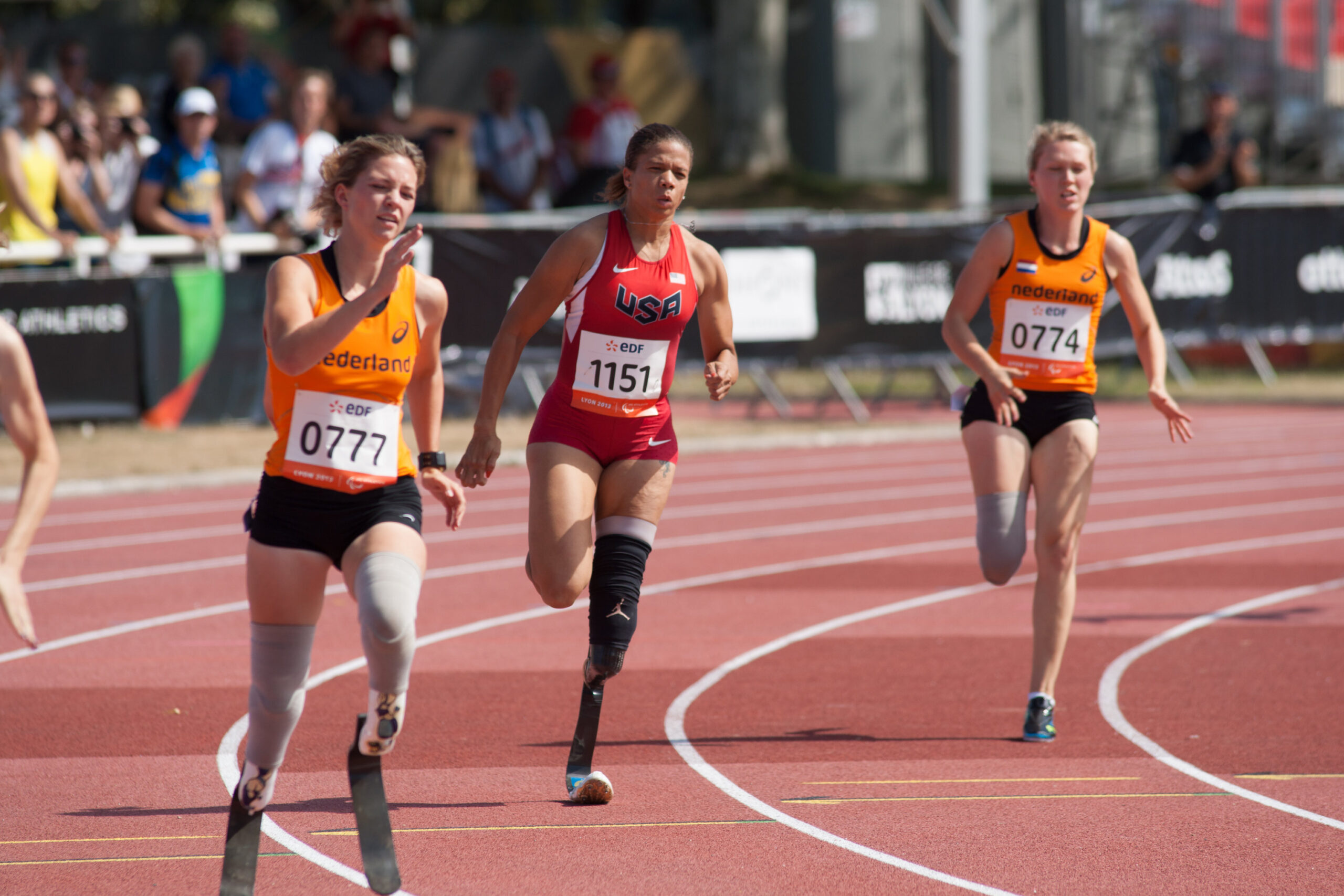
Similarly, adaptive sports have moved from the periphery to the mainstream. Techniques such as advanced prosthetics and specially designed devices not only allow for greater participation, but also blurred the boundaries between traditional and adaptive athletics. Currently, some competitions offer integrated events where athletes compete with or without disabilities. The mental health revolution has changed forever when we look at sports performance. The courage of top athletes discussing psychological challenges has sold this conversation across sports culture. “Five years ago, combat battle allocation for mental health was considered weakness,” says Marcus Williams, a former Olympic swimmer. “Today, it is recognized as an important part of performance management and general wells.”
Globalisation of sports culture
While North American and European leagues have historically dominated the global sports environment, power centres have diversified. The explosive growth of the Indian Premier League (IPL) from cricket exceeding USD 15 billion shows how quickly regional passions become global trading forces.
Basketball continues its remarkable international expansion, and talent is now flowing into elite competitions from all continents. Traditional soccer power plants are exposed to increased competition with ambitious countries that invest heavily in the youth development system.
“The democratization of coaching expertise via digital platforms means talented young athletes in Senegal or Vietnam will have access to similar technical lessons in Barcelona and Manchester, explains Paolo Maldini of FIFA Development.
E-sports could represent a globally distributed sport phenomenon, with virtual competition completely beyond physical geography.
Environmental compatibility cannot be negotiated as climate issues are strengthened worldwide. Sports companies faced increased pressure to take into account the environmental impact. From stadium construction to team travel, sporting events create important CO2 footprints that are increasingly being considered by fans and sponsors.
The above are innovations such as renewable energy, comprehensive waste reduction programs, and carbon neutral venues that are operated only through the development of sustainable sports goods from recycled or biodegradable materials.
“We implemented the SO-Called Triple Fish Line,” explains Sarah Johnson, Sustainability Director for the International Olympic Committee. “Environmental impacts are assessed in all decision processes with the same strict and strict performance and social benefits.”
Several well-known athletes have used platforms to work for environmental causes, making sustainability a core element of personal brands and influence fan behavior beyond the context of sports.
What’s in front of you?
Genetic Discoveries: Although controversial advances in genetic science provide unprecedented insight into the potential of sports and the sensitivity to injury about the future of talent and development.
Climate Adjustment: When extreme weather events become more common, sports organizations will develop all emergency plans, from planning flexibility to changing the location of events that may change to changing environmental conditions.
Connections between physical and digital areas: The boundaries between traditional sports and their digital counterparts continue to be blurred, and some athletes are currently competing professionally in both areas.
Sports did not exist in isolation from the wider social flow. And today’s rapid technological and cultural changes have led to the development of sports competition both predictable and surprising. What remains constant is the unique ability that sports encourages, combines and presents human potential, the value of overcoming a particular era or innovation.
Legendary basketball coach Phil Jackson once said: “Team strength is every member. Each member’s strength is a team.” In today’s transformative sports situation, this wisdom applies not only to athletes, but also to the entire ecosystem of fans, organizations and technology that create a ever-changing world of sports.