
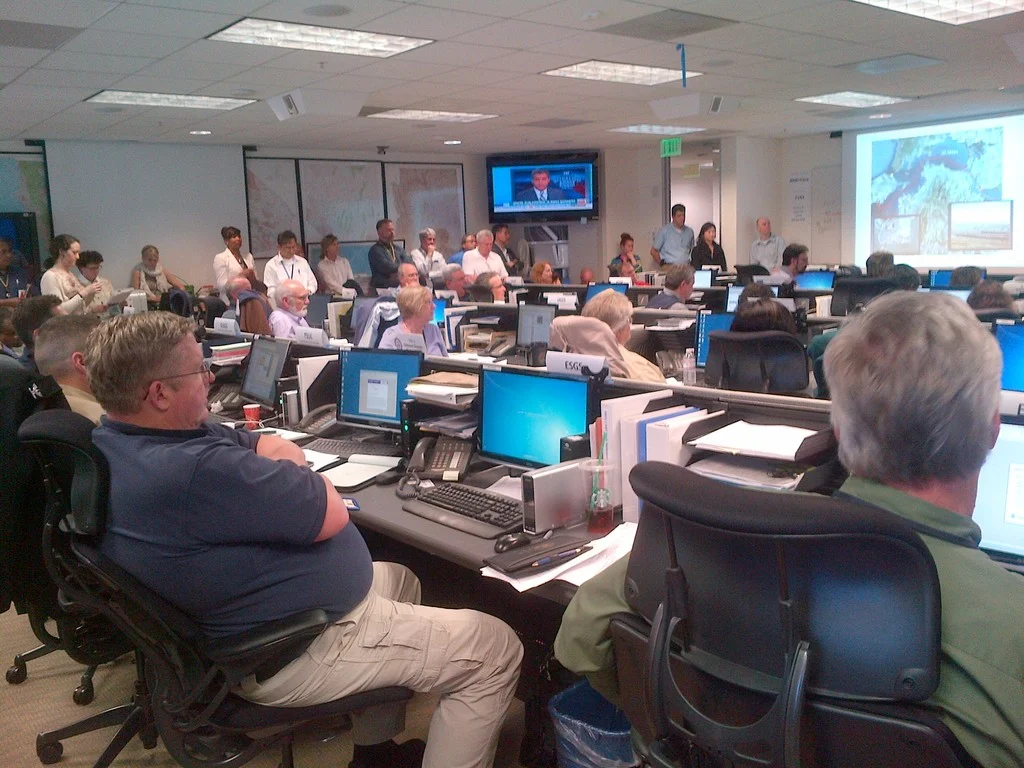


Alright, let’s get real about federal disaster response—because, wow, there’s a lot of “policy says one thing, reality does another” going on.
First up, FEMA. Honestly, their playbook looks great on paper, but boots-on-the-ground? Whole different story. The Stafford Act basically says, “Hey states, you gotta be flat-out broke before we’ll really help you.” Maybe that made sense back when disasters happened one at a time, but now? With climate change in the mix, it’s like whack-a-mole on nightmare mode—fires here, hurricanes there, tornadoes just for the fun of it.
The National Response Framework is supposed to make everyone play nice together—feds, states, whoever. But, in practice, you’ve got agencies tripping over each other, each convinced they’re running the show. Throw in totally different work vibes and priorities, and… yeah, chaos.
And let’s talk about climate change for a sec. The old-school way was to prep for one disaster, deal with it, go home. Now? Disasters overlap, domino into each other, and you end up with a mess that lasts for weeks, not days. Basically, emergency plans are stuck in the ‘90s while nature’s gone full 2024.
Coordination? Ha. In theory, you’ve got all these federal agencies with their specialties. In reality, they rarely practice working together, so when something big hits, it’s like trying to form a band with a bunch of solo artists who’ve never met. Communication systems that work fine on a sleepy Tuesday? They melt down during a crisis. State and local officials end up drowning in paperwork instead of actually helping people. And if you’re a community trying to get federal supplies? Good luck if your own buildings are wrecked or your people can’t get to work.
- Economic and Social Impact
Private companies own most of the stuff we all depend on—power, cell networks, all that. But the “let’s work together” part? Not even close to smooth. The feds don’t really have a playbook for getting private and public folks to sync up, which, honestly, feels like a massive oversight at this point.
Resource allocation is a hot mess, too. The government tries to predict where to put stuff before storms, but Mother Nature loves to make fools of us all. So, you get too much help in one place, not enough in another. Moving supplies? Military and commercial transport only go so far, especially when roads and airports are underwater or knocked out.
Future Policy Considerations
On top of that, the tech situation is, well, sketchy. Fancy systems are only as good as their weakest link, and disasters love breaking things. Social media? Sure, it’s a lifeline, but it’s also a breeding ground for rumors and chaos unless someone actually manages the flow. And all the new whiz-bang toys—drones, satellites, AI? A lot of emergency agencies haven’t really figured out how to use them without tripping over their own feet.
Here’s the kicker: federal help still focuses mostly on putting out fires (sometimes literally) and patching things up right after. But real resilience? That means fixing the stuff that made disasters so nasty in the first place. Congress loves to write the big checks after the fact, but not so much for prevention. Which makes no sense, because study after study says it’s way cheaper and smarter to prep ahead.
Oh, and small businesses, farms, community groups? They’re always getting the short end of the stick. Recovery programs talk a good game about helping, but a lot of these folks are left holding the bag when the dust settles.
So, yeah, federal emergency response—good intentions, clunky execution, and a whole lot of room to grow up for the world we’re actually living in now.