
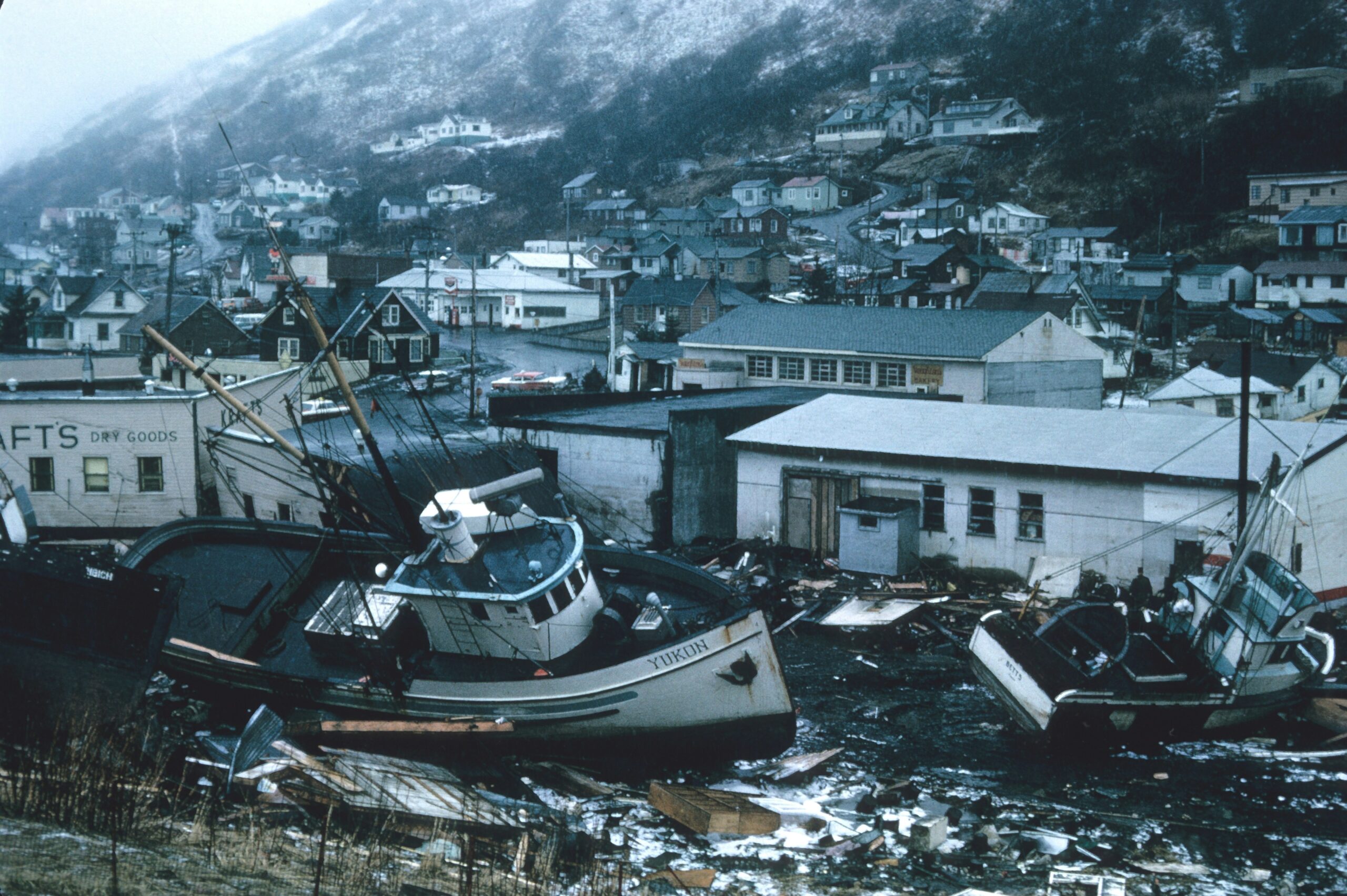


Alright, let’s just cut to the chase—floods suck. They’re like that one uninvited guest who not only crashes the party, but also eats your food, ruins your sofa, and leaves you with a massive clean-up bill. Every year, floods trash millions of homes and cost a stupid amount of money. And sure, you can’t just snap your fingers and make floods disappear, but there’s a whole bunch of stuff we can do to make them less of a nightmare.
First up, you gotta know your enemy. Not all floods are the same—some are all about rivers busting their banks after too much rain or melting snow. Others come from the coast: think storm surges, king tides, or the whole “sea levels rising” thing that’s making beachside property even more of a gamble than usual. Then you’ve got the city floods, where rain just can’t drain fast enough because, surprise, concrete isn’t exactly absorbent. Oh, and flash floods? Those are the drama queens—one minute you’re dry, the next you’re swimming in your basement.
Thing is, every kind of flood needs its own battle plan. And with climate change throwing curveballs—wilder storms, rain where you never expected it—it’s getting trickier to predict who’s at risk. Basically, places you thought were “safe” are now on notice.
Now, let’s talk big guns: Infrastructure. This is your classic “build a wall, block the water” move—levees, dams, floodwalls. These things have been around forever, but engineers are getting smarter, building for the floods we haven’t even seen yet (thanks, global warming). Cities are also upgrading their drains and sewers so they don’t just fold under pressure. Some places are getting even fancier, installing “smart” systems that use sensors to figure out where the water needs to go before it turns Main Street into a river.
Then there’s the cool stuff—flood basins that double as parks when it’s dry. Who says disaster prevention can’t look good? These spots soak up extra water when it pours, and when the sun’s out, you get a nice place to walk your dog. Two birds, one stone.
But honestly, nature had it figured out before we started drawing up blueprints. Wetlands? Total MVPs. They soak up water like a giant sponge and give ducks a place to hang out. Letting forests grow back (or just planting more trees) helps too—roots hold onto soil, water slows down, and rivers don’t fill up as fast. Even in cities, people are planting rain gardens, swapping out boring old pavement for stuff that lets water sneak through, or adding green roofs. You’d be surprised how much water a rooftop garden can handle.
Of course, none of this matters if you build your house right where it’s gonna flood. Zoning laws and smart planning are huge—don’t let people build in the danger zones, or at least make them use materials and designs that can take a hit. Oh, and early warning systems? Game changers. With satellites and all that jazz, we can see the storm coming and tell people to pack up before things get ugly.
Last but not least, you gotta get folks on board. Drills, info sessions, all that stuff—if people know what’s up, they’re way less likely to panic or make bad decisions. And on a personal level, if you’re a homeowner in a flood-prone spot, you can elevate your house or put up barriers, though, yeah, that takes some cash.
In the end, floods aren’t going anywhere, but we’re not helpless. Mix some brains, some brawn, and a little bit of green thinking, and you stand a fighting chance when the water comes knocking.
Flood barriers and quick-fix flood stuff—like sandbags, those clunky flood gates, or those weird portable walls—are honestly what most folks end up using. They’re not super fancy, but hey, when the water’s coming, you’ll take what you can get. Thing is, you gotta prep in advance, and sometimes? If it’s a massive flood, those sandbags feel like bringing a pool noodle to a tsunami.
Waterproofing your place is a whole other game. People slap on sealant in their basements, install sump pumps (which really should come standard in half the country at this point), and use these flood-resistant building materials when they’re fixing up the house. None of this is bulletproof—water still finds a way, like some evil cousin of Jurassic Park’s dinosaurs—but it keeps the mess to a minimum and doesn’t empty your wallet on repairs every time it rains sideways.
Tech is honestly changing the game, though. We’ve got satellites and remote sensors now that tell us in real time if the ground’s soggy, if water’s rising too fast, all that jazz. It’s not perfect, but it means we usually know trouble’s coming before our basements do. Then there’s AI, which, yeah, sounds sci-fi but is actually analyzing weather patterns and warning everyone sooner. So instead of a weather guy saying, “Maybe bring an umbrella,” you get actual alerts that could save your house.
Cities are getting smarter, too—like, literally. There are sensors all over the place now, tracking rainfall, rising water, even the health of the pumps and drains. If something goes sideways, the system can sometimes react automatically. So it’s less “run around in a panic” and more “let the robots handle it (hopefully).”
Now, about money. Yeah, none of this comes cheap. But every time someone crunches the numbers, it turns out spending upfront on flood prevention saves a ridiculous amount later—think six bucks saved for every dollar spent. It’s one of the few things in life with that kind of return. There’s a mix of federal and state cash flying around for this stuff—the usual suspects like FEMA, the Army Corps, EPA. Sometimes private companies get involved, too, and when public and private money team up, you get way more bang for your buck (plus, you can blame someone else if it flops).
But you can’t just build a wall and walk away. Stuff needs maintenance. Think: clearing out drains, patching up levees, checking pumps. Ignore it, and Mother Nature will remind you who’s boss. Climate change? Yeah, that’s making everything weirder and riskier, so what worked ten years ago might be useless tomorrow. You’ve got to keep reassessing and updating, or you’ll get caught with your boots off.
Bottom line—fighting floods takes a patchwork of solutions: big infrastructure, nature-based fixes, smarter city planning, and regular folks protecting their own turf. No magic bullet. But mix a bunch of these together, and suddenly your odds look a whole lot better.
Honestly, it all comes down to people working together. Governments, neighborhoods, homeowners—everyone’s gotta pitch in and keep at it. Floods aren’t going away, especially with climate chaos ramping up, but if we stay on top of it and don’t slack on the upkeep, we can dodge the worst of it. The communities that get their act together now? They’re the ones whose grandkids won’t need an ark just to get to school.
Conclusion
Preventing floods requires a comprehensive approach that combines large-scale infrastructure projects, natural solutions, community planning, and individual property protection measures. No single strategy provides complete protection, but implementing multiple complementary approaches significantly reduces flood risks and their associated impacts.
Success in flood prevention depends on collaboration among government agencies, communities, and individual property owners. By working together and investing in proven prevention strategies, we can build more resilient communities that are better prepared to face the challenges of an increasingly unpredictable climate.
The key to effective flood prevention lies in proactive planning and sustained commitment to implementation and maintenance. Communities that invest in comprehensive flood prevention today will be better positioned to protect lives, property, and economic vitality for generations to come.