
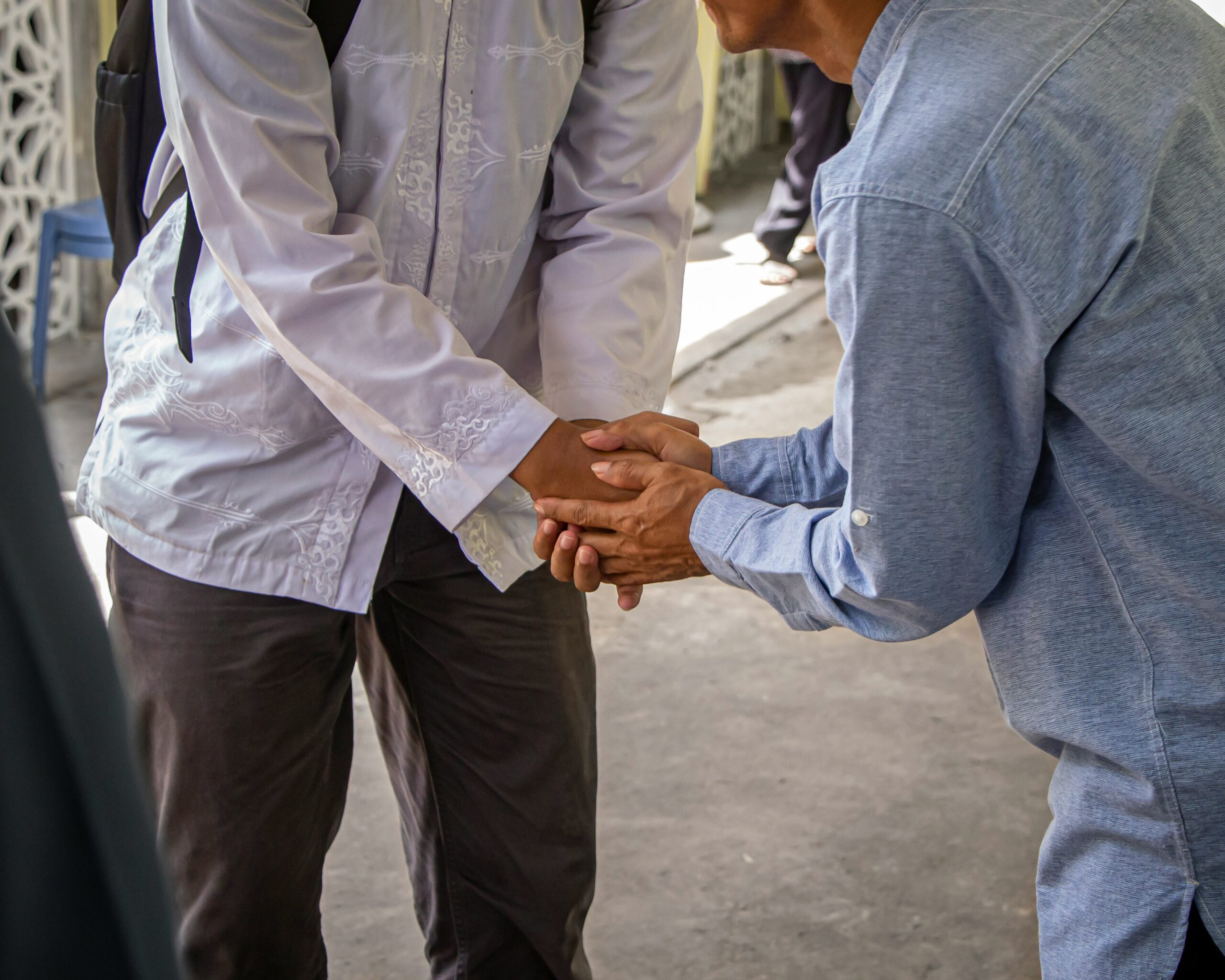


Man, with all the doomscrolling and internet rage these days, you’d think the world’s just a dumpster fire of nastiness. But honestly? There’s wild amounts of kindness floating around—sometimes where you least expect it. You can’t exactly slap a number on “niceness,” but if you pay attention, you’ll see these patterns pop up all over—whole cultures, little communities, even just random people going out of their way to be decent. It’s not all clickbait drama out there.
Culture Clash: Pass the Bread, Stranger
Some places, it’s like hospitality is literally the law of the land. Middle Eastern countries? You show up at someone’s door, they’ll feed you and give you a bed for three days. Doesn’t matter if you’re a total rando. It’s not just polite, it’s, like, borderline sacred. Bedouin hosts—absolute legends. They won’t even ask your name until you’ve chilled for a while.
Then there’s Scandinavia. Those folks basically wrote the manual on looking out for each other—no wonder they’re always topping those “World’s Happiest Countries” lists. Ever heard of “hygge”? Picture a room full of friends, cozy blankets, snacks everywhere, and you just feel… safe. Like, “Ah yes, this is what being human is about.”
Bhutan? They flipped the script—Gross National Happiness > Gross Domestic Product. No joke, the whole country is built around, “Let’s all be chill and kind.” Buddhist vibes everywhere. Tourists don’t leave with just pretty pics—they leave raving about how freaking nice everyone is.
Why Some Folks Are Just Built Different (in a Good Way)
Science-y bit: some people are just wired to care more. Super empathic people? They literally feel what others feel, so helping out is basically their default setting. Some folks see kindness as their personal brand, not just a “nice to have.”
And get this: doing nice stuff for people triggers a chemical party in your brain—endorphins, baby. “Helper’s high” is real. That’s why some people get addicted to doing good. It’s better than a double shot of espresso.
Unsung Legends: The Everyday MVPs
You don’t have to be Mother Teresa or some billionaire giving away yachts to be on Team Kindness. The real heroes? Teachers staying late to help kids, neighbors shoveling driveways for old folks, cashiers who actually remember your name (and ask about your weird cat). That’s the stuff that actually moves the needle.
And don’t even get me started on nurses, social workers, and the crew at food banks. They’re doing the heavy lifting for peanuts, just because they give a damn. Total rock stars.
Kindness Actually Hacks Your Brain
So here’s a fun fact: being nice doesn’t just make the world better, it’s like a free upgrade for your brain. Do something kind? Your brain rewires a bit, gets better at empathy, you stress less, even your body gets less inflamed. Wild, right?
Plus, kindness is basically contagious. See someone do something generous? Your brain’s mirror neurons light up like, “Yo, let’s do that too!” It’s the domino effect, but in a good way.
Kids, Old Folks, and the Natural Vibe
Kids are born with this wild sense of fairness. Give a toddler a cookie and they’ll totally split it with another kid, even if it means less for them. Seriously, we come out of the box set to “nice,” and then, I dunno, life happens.
Grandparents? They’ve seen some stuff, and most of them come out the other side just wanting to help and connect. A lot of the world’s biggest donors only started giving in their later years. Maybe wisdom and kindness really are besties.
When Niceness Goes Off the Rails
Of course, too much of anything gets weird. Ever met someone who can’t say “no” to anything? Sometimes “nice” is just code for “walked all over.” Real kindness knows when to draw the line and call out the BS.
Also, what’s “nice” in one country might be rude somewhere else. Cultural remix, you know? Hug in one place, bow in another. Don’t assume your way is the only way.
Making the World Less of a Dumpster Fire
Coolest thing? Kindness is totally teachable—like, you can actually train people to be better humans. Schools that teach emotional smarts see kids fighting less and helping more. Bring different groups together, and boom, less prejudice, more actual understanding.
And for all the crap we give tech for dividing people, it’s also made it way easier to connect and share good vibes. There’s hope yet.