
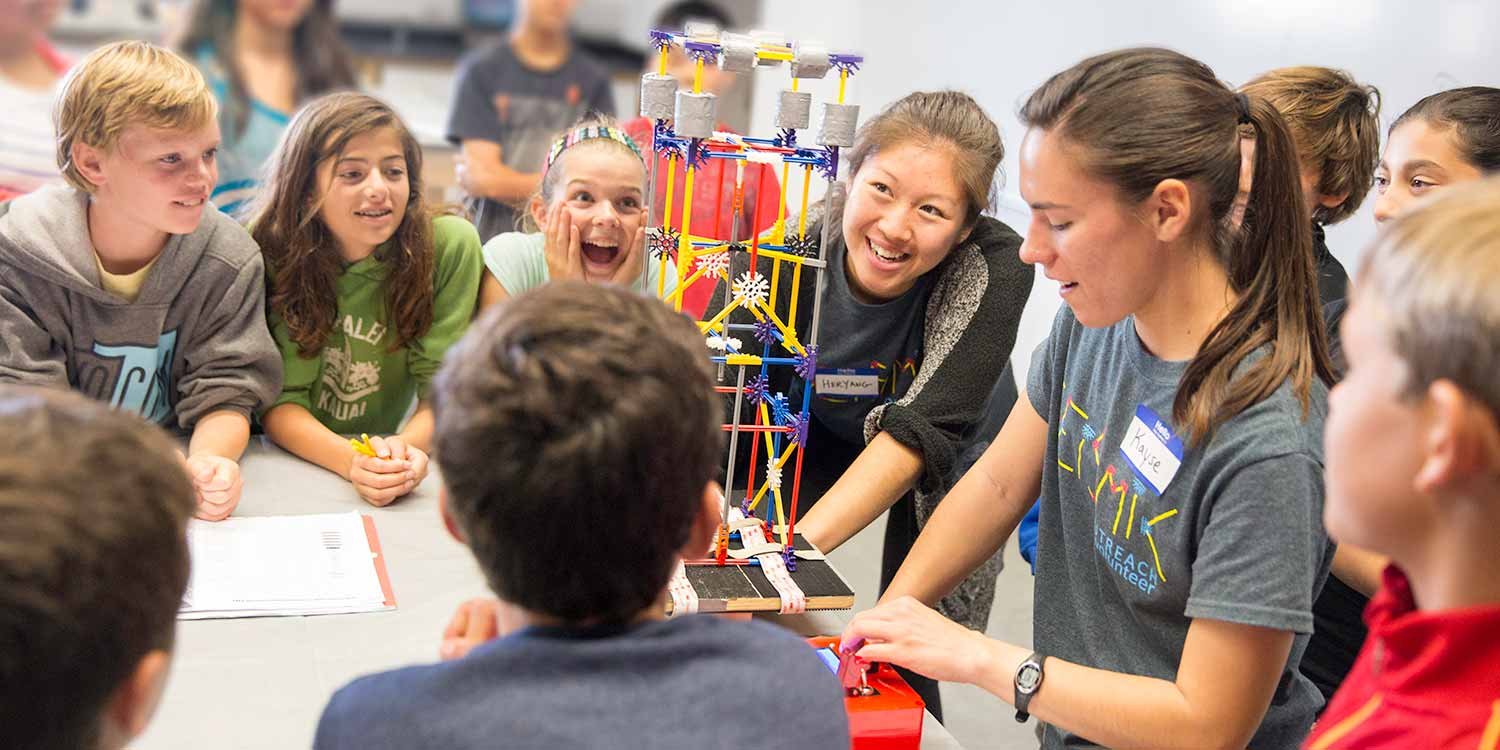


Classroom Learning remodeling in educational technology continues to change traditional class experiences as it includes innovative digital tools across the country to improve student commitment and learning outcomes. According to the latest data from the Education Technology Consortium, nearly 78% of K-12 schools have significantly increased their technology investment since 2023, with artificial intelligence learning platforms generating adoption rates. These AI tutorial systems can now provide personalized learning paths by analyzing the performance of individual students and adapting lessons accordingly. The technology identifies knowledge gaps in real time and adapts to content, presentation methods, and pace to optimize understanding and storage.
Integrating virtual reality (VR) and augmented reality (AR) technologies has similarly accelerated and moved beyond new applications to become the central educational tool for topics ranging from biology to history. Students can perform virtual anatomy, study old civilizations, and manipulate complex molecular structures through an immersive 3D experience that was unimaginable several years ago. “These techniques translate abstract concepts into concrete experiences,” explains Dr. Miranda Chen, a researcher in educational technology at Northwestern University. “When students are able to physically interact with curriculum materials in three-dimensional spaces, there is a dramatic improvement in both understanding and long-term preservation.” A study from the Learning Science Institute notes that when abstract concepts are presented, information rates of retention increase by about 32% when compared to traditional textbook presentations through interactive visualization techniques.
However, the most promising development is how these technologies enable a more integrated learning environment. Speech recognition software reaches an accuracy of 97° or more in real-time educational discussion transcription, providing important support for hearing-impaired students. In the meantime, speech technology from texts with increasingly natural voices provides reading aids to students with dyslexia and other learning differences. Schools implementing comprehensive strategies for integrating technology report a decrease in performance gaps between students with and without learning difficulties. As these tools become more demanding and accessible, educators emphasize that the technology serves as an improvement and as an alternative to negotiated education. “This technology increases good pedagogy,” says experienced teacher Marcus Washington. “Most successful implementations occur when teachers receive appropriate training and support to effectively integrate into curricula that encourage critical thinking and collaboration.”