
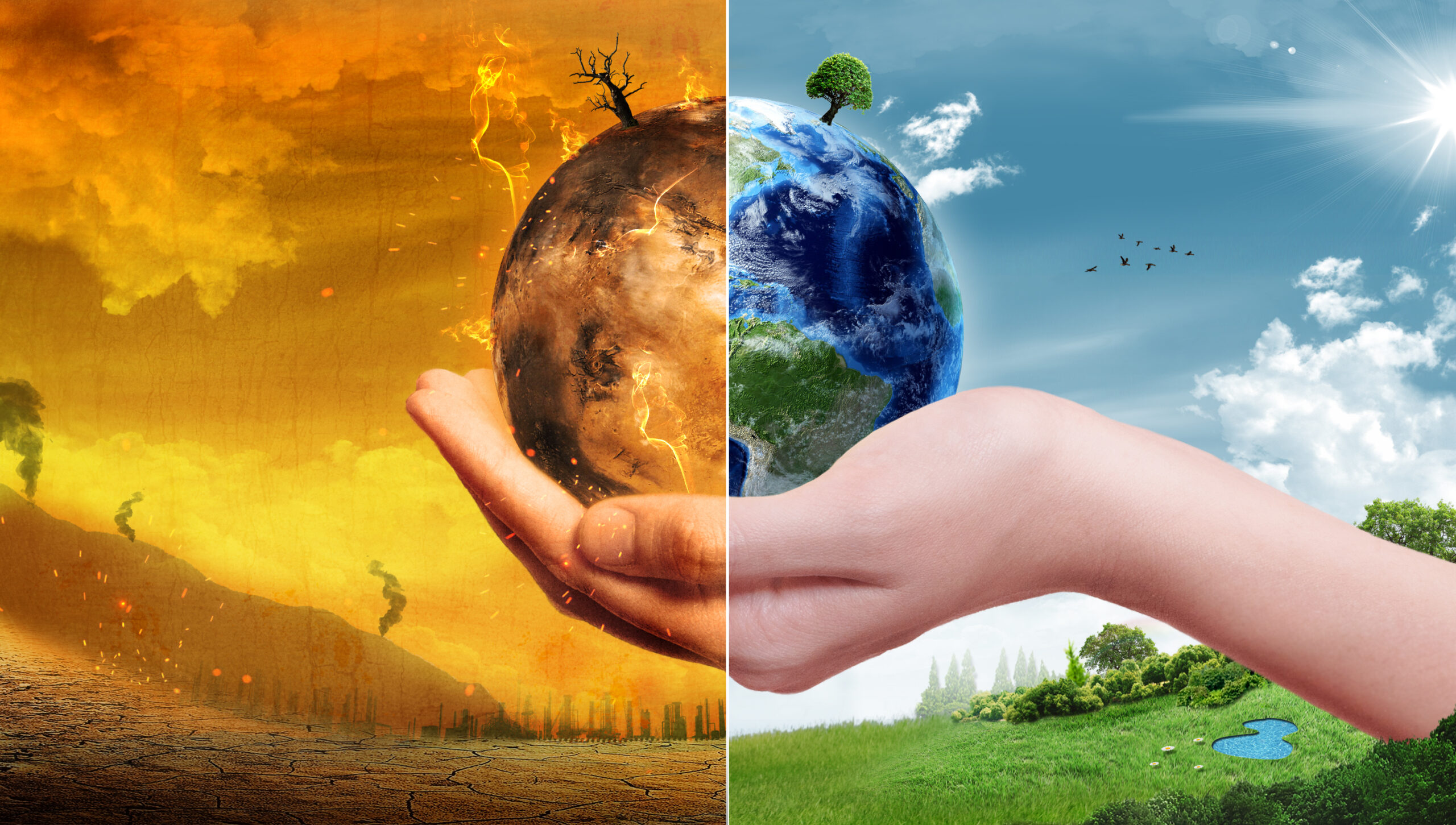


As 2025 approaches, the signals of a warming planet have become increasingly undeniable. While the most dire projections often look toward the end of the century, climate scientists emphasize that meaningful shifts are already underway — and will become even more pronounced within the next year. Based on the latest climate models and authoritative scientific sources, 2025 is poised to be a pivotal year in the story of global warming.
Here’s what we can anticipate by 2025 based on the best current evidence.
Global Temperatures: Continues to Rise
As per NASA and NOAA records, Earth’s mean surface temperature has already increased by about 1.1 to 1.2°C from pre-industrial levels (1880–1900 baseline). The IPCC Sixth Assessment Report (2021–2023) points out that with current emissions pathways, 2025 would likely witness the global average temperatures at about 1.3°C above pre-industrial levels — precariously close to the 1.5°C level which scientists link with extremely unfavorable consequences.
Regional differences will be significant. The Arctic, for example, still warms at over double the global rate, driving ice melting and affecting global weather patterns. In tropical areas, increased baseline warmth is such that slight rises equate to lethal heatwaves.
Changing Weather Patterns and Extreme Events
- A changing climate is already being felt in terms of patterns of precipitation, storm intensity, and temperature extremes. By the year 2025, we shall witness:
2. More and hotter heatwaves, especially across southern Europe, the Middle East, South Asia, and portions of the U.S. The European Space Agency issues a prediction of an imminent repeat or aggravation of record-high heat events in 2023.
3. Increased powerful tropical storms and hurricanes, fueled by higher ocean surface temperatures. The 2025 North Atlantic hurricane season is expected to be above normal, based on initial NOAA modeling.
4. Irregular precipitation, with some areas — including East Africa and certain parts of Southeast Asia — experiencing flooding due to heavy monsoonal rains, and others, such as the U.S. Southwest and the Mediterranean region, experiencing exacerbated droughts.
Strains on Ecosystem and Biodiversity
Increased temperatures and changing precipitation patterns are already affecting ecosystems — and trends are likely to become even more intense in 2025:
- Mass coral bleaching is expected to persist throughout the Great Barrier Reef and sections of the Caribbean as greater sea surface temperatures strain marine biodiversity.
- Shifts in the timing of flowering and animal migrations are triggering food chain mismatches. Pollinator species such as bees, for instance, are declining in numerous temperate regions, impacting both wild plants as well as agricultural crops.
- Amazon Basin deforestation, fueled by drought and fire, is pushing some areas of the forest towards becoming a net source of carbon, not a sink.
- Agricultural Consequences and Global Food Security
By 2025, climate stress will: - Lower wheat and maize production in key producer areas like the U.S. Midwest and regions of India, because of both heat stress and irregular rain.
- Enhance dependence on irrigation and adjustment technologies in areas such as Sub-Saharan Africa, where food insecurity risk is already elevated.
- Accelerate crop failure in areas affected by concurrent severe weather events — “compound extremes” to scientists.
- The UN Food and Agriculture Organization (FAO) cautions that the opportunity for climate-resilient food systems is closing.
Human Health and Economic Disruption
The impacts of climate change on economies and public health will intensify in 2025:
- Heat-related illnesses and fatalities will increase, particularly in cities where the urban heat island phenomenon heightens temperature peaks.
- Vector-borne diseases like dengue and malaria are spreading their range, with expected increased outbreaks in areas that have not been affected before.
- Economically, climate disasters have cost $360 billion worldwide in 2023 (according to Munich Re), and 2025 is set to match or surpass this.
- Insurance companies are increasingly withdrawing coverage from at-risk areas, increasing costs and decreasing resilience.
Migration and Climate Displacement
Over 20 million new displacements due to climate were recorded by the Internal Displacement Monitoring Centre (IDMC) in 2023. In 2025, this number may increase further, fueled by:
- Sea-level rise impacting low-lying island states such as Tuvalu and the Maldives.
- Crop failure in arid regions, causing rural-to-urban and cross-border migration.
- Storm and wildfire damage to infrastructure, rendering homes uninhabitable.
Where We Stand on Climate Agreements
The Paris Agreement established the ambitious target of keeping warming well below 2°C, preferably 1.5°C. As of 2025, the world’s record is mixed:
More than 90% of nations have strengthened their Nationally Determined Contributions (NDCs), but most are below par.
Global CO₂ emissions reached a new record in 2023, even if expansion eased to 0.9%, partly due to increased renewable energy uptake.
The Global Stocktake, finalized in 2023, established clear divergences between commitment and delivery — encouraging nations to revisit their climate commitments by 2025.
Innovation and Solutions on the Rise
Among the challenges, there are glimmers of hope. Leading technologies and policies making waves are:
Renewable energy: Solar and wind power produced close to 30% of global electricity in 2024, with China, India, and the EU experiencing fast growth.
Breakthroughs in energy storage (such as sodium-ion batteries) are addressing intermittency challenges.
Carbon pricing mechanisms are expanding, with more than 60 carbon markets in place worldwide.
Climate-smart agriculture, such as drought-tolerant crops and precision irrigation, is expanding in developing countries.
Urban areas from Copenhagen to Singapore are investing in climate-resilient infrastructure, green roofs, and urban forests to buffer climate shocks.
Short-Term Effects, Long-Term Stakes
What happens in 2025 is not the whole story — but it will set the tone for what follows. Scientists stress that each tenth of a degree counts. The decisions we take this decade, on emissions reduction and adaptation, will be what determines whether warming levels out around 1.5°C — or continues beyond 2°C, with exponentially dire consequences.
Public opinion and policy momentum are increasing, but the process of change must speed up. As the World Meteorological Organization says: “We are not yet on track — but we still have a choice.”
Conclusion: A Year to Watch, and to Act
The climate of 2025 will not be apocalyptic — but it will be a clearer mirror of the future we’re building. From melting glaciers to surging innovation, the signs are all around us. Recognizing the trends, acting on the science, and supporting climate resilience efforts at all levels can make the difference between managing disruption and deepening crisis.
The climate doesn’t pause — and neither can we.