


Regeneration Leadership: Organizational structures that restore human and natural systems
acquire new leadership paradigms, environmental degradation, labor burnout, social polarization, economic volatility, and organizations converge their challenges. Regeneration leadership goes beyond sustainability and resilience to actively restore the human and natural systems that companies rely on. This approach recognizes that actual organizational success not only reduces damage, but also requires positive improvements to the conditions of all involved. In this article, principles are examined, regeneration leadership leads, leading to the practices in which these principles emerge, and the organizational structures that support regeneration outcomes.
Regeneration Leadership Principles Paradigm
The fundamental change in regeneration leadership is from extraction to reciprocity. Traditional management frames often draw value from employees, communities and natural systems to achieve shareholders. Instead, the regeneration manager designs operations that create value for multiple stakeholders simultaneously. Patagonia, an outdoor clothing company, demonstrates this approach with a recycled organic cotton program that improves soil health, increases farmers’ income, generates superior materials, and creates several forms of value through a single integrated initiative.
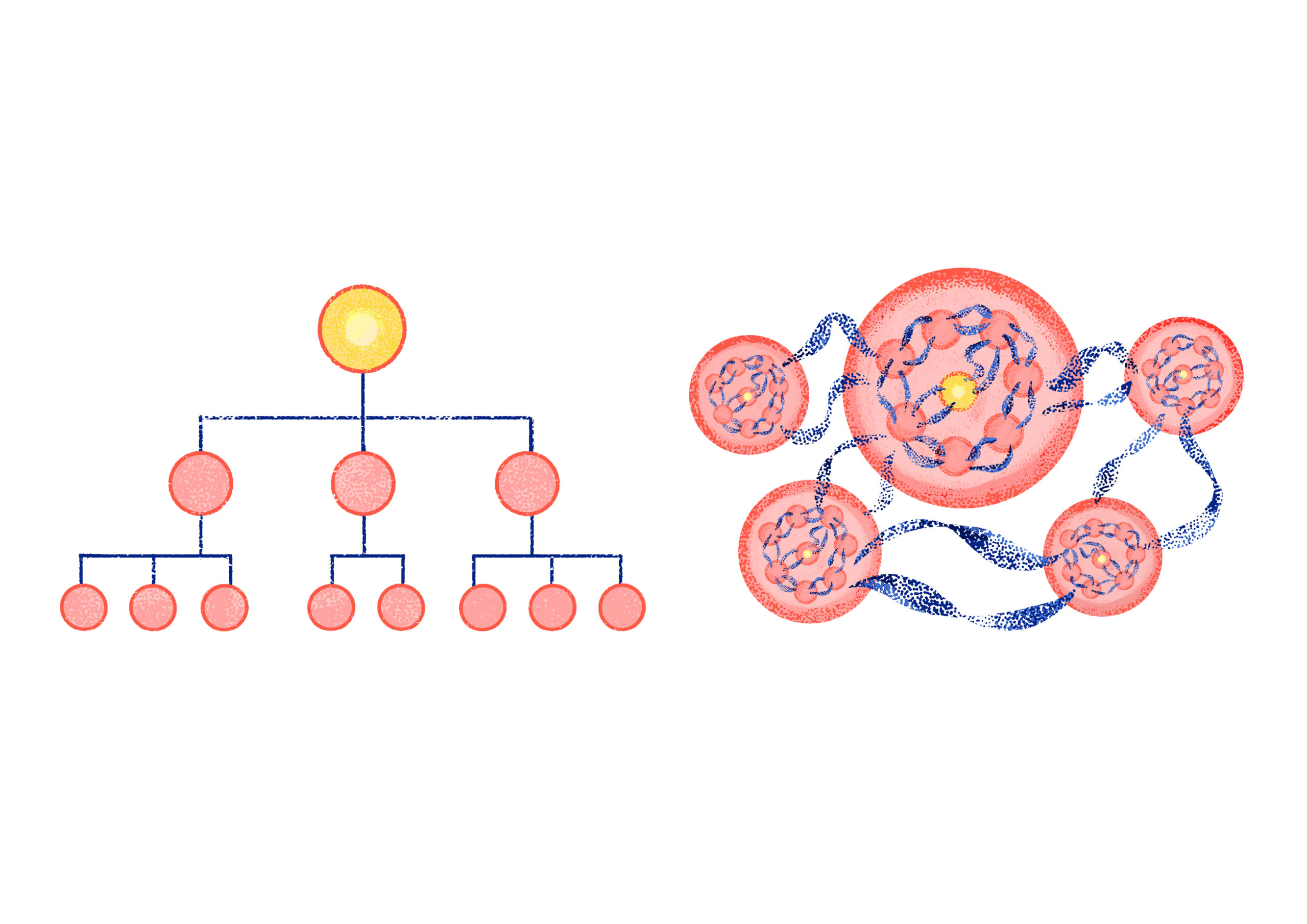
The concept of System consciousness has shifted from philosophical considerations to actual management points. Instead of focusing solely on direct organizational effects, regeneration managers perceive organizations as nodes in complex social and ecological systems. Interface CEO Dan Hendrix presents this perspective in the company’s “factories as forests” that redesigned its production facilities to provide ecosystem services comparable to natural systems. This approach acknowledges that organizational success relies on healthy surrounding systems rather than isolated power metrics.
Perhaps the temporary framework for taking leadership has been dramatically expanded. While traditional management approaches prioritize quarterly outcomes, regeneration managers focus on immediate performance, medium-term adaptation, and long-term system health. Unilever’s “compass” strategy includes both direct operational goals and initiatives that change some decent systems, recognizing that actual organizational sustainability requires action across several time perspectives.
The concept of “positive impact” in “net positive” has evolved from suction to operational orders. Major organizations are currently designing initiatives to better leave the system than they have discovered. Microsoft’s negative commitment demonstrates this development, actively eliminating historical emissions beyond carbon neutrality, while simultaneously developing new distance technologies. This represents a significant maturation from previous environmental scenes that focused primarily on reducing damage.
Practices Manifesting Regenerative Leadership Principles
Practice, Regeneration Management Principles, were dramatically developed to support regeneration management approaches. Traditional financial indicators were supplemented by a comprehensive impact on the impact of environmental, social and human capital. Danone’s calculations of environmental profits and losses in global operations can provide decision makers with actual system effects, potentially optimizing multiple types of value simultaneously.
Stakeholder engagement practices have been changed from regular consultations to continuous co-creation. Regarding future drawbacks, it shows that improving the system requires active participation of a variety of stakeholders with special perspectives and skills. Working in all markets where the company remains important, Ben & Jerry’s Community Action Team will guide employees, customers, suppliers and community members to develop initiatives that handle local priorities and support the company’s goals.
Learning infrastructure is mature to support continuous organizational development. Instead of treating learning as an individual activity in professional development, regeneration organizations have established systems for the development and use of collective knowledge. “Team Playbook” by software company Atlassian codifies organizational learning in an accessible format, while simultaneously creating mechanisms for the ongoing development of practices based on team experiences.
Perhaps most importantly, regeneration management practices recognize the centrality of human wells for organizational success. Companies implementing this approach are investing in the physical and mental health of their employees not as peripheral benefits but as core business strategies. Healthcare provider Kaiser Permanente’s “Total Health” initiative deals with not only employee health needs, but also social determinants of health, recognizing that organizational performance ultimately depends on human success.
Organizational structure
Governance model supporting regeneration outcomes has been developed considerably to support regeneration management approaches. Traditional governance of shareholders has created space for models that include stakeholders to formalize the responsibilities of several constituencies. Public services such as fusion banks occupy specific obligations to public services in legal structures, ensuring accountability for both the financial performance of the system and the management of the system.
The Manager’s reward structure has been redesigned to motivate replay results. Instead of binding rewards only to financial indicators, future affiliated organizations will integrate system health indicators into the reward framework. Dutch health technology company Philips combines 20% of variable payments for executive variables with sustainability performance metrics to create a direct financial incentive for decisions that improve system conditions.
Perhaps most importantly, the organizational boundaries themselves are more transparent and flexible. Considering the knowledge that the system challenges, they create a joint structure of regeneration managers that transcends individual organizations and connects the various companies with common goals. A fashion agreement combining over 60 global companies with initiatives for environmental improvement demonstrates this approach by enabling pre-challenging collaboration with challenges at the system level that cannot be addressed independently by a single organization.
The decision process was also developed to consider system effects in addition to direct organizational considerations. Natura & Co’s product development framework explicitly evaluates both business performance indicators and system effect factors, ensuring that innovation efforts simultaneously promote commercial goals and regeneration outcomes.
As an organization, as an increasingly complex operating environment is navigated, a regeneration management approach offers a promising path forward. Additionally, through the design of operations that achieve financial benefits, human prosperity, community vitality and environmental health, these approaches create organizations that thrive in the long term and simultaneously contribute to the surrounding systems. This represents a considerable maturation of previous management philosophy, indicating a future in which organizational success and system owners are more dependent on each other than competing priorities.